Tommee Tippee Essential Starter Kit Gen3 Black
$179.99
$239.99
SAVE $60
4.5 out of 5 4.3 (744)


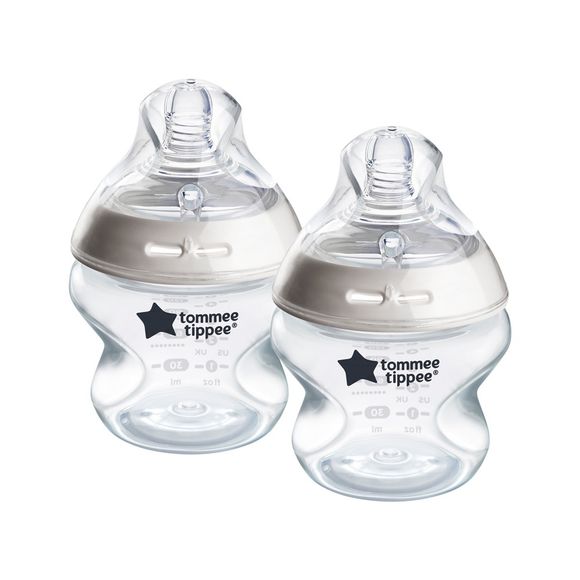
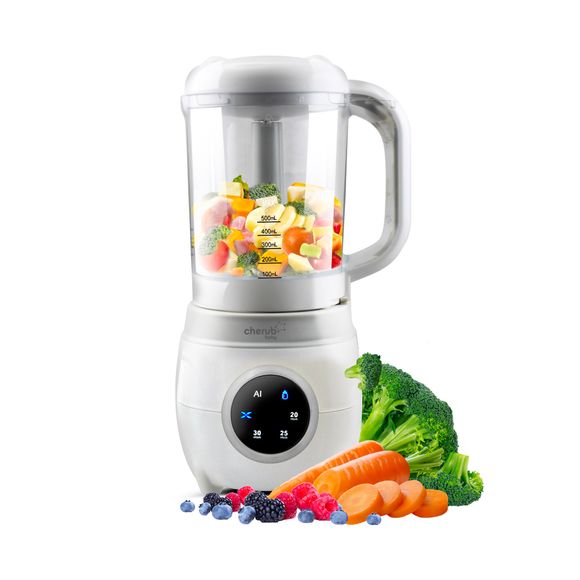
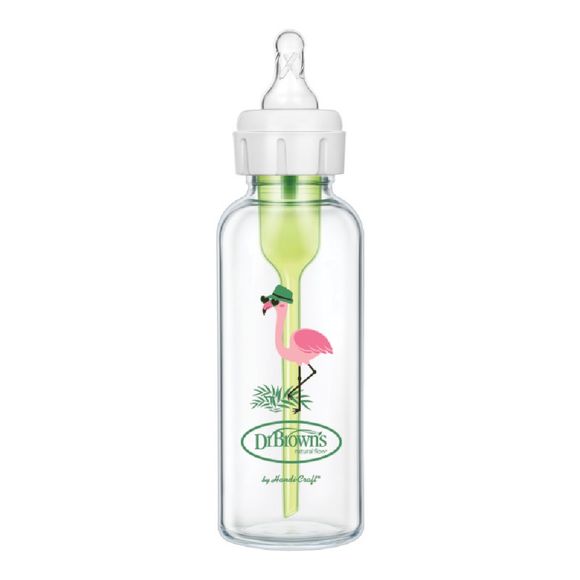
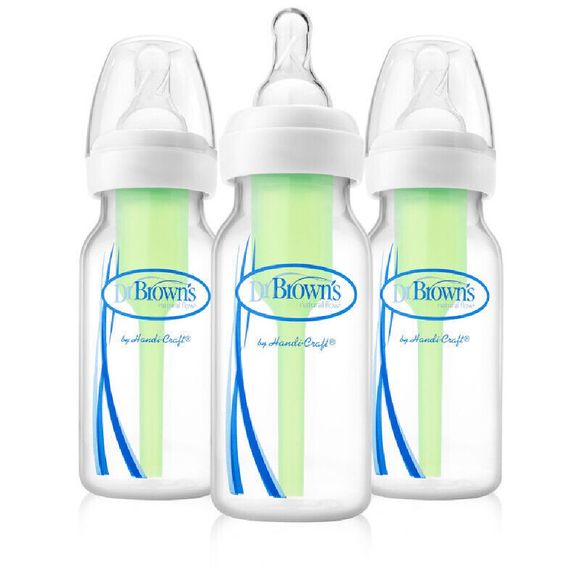
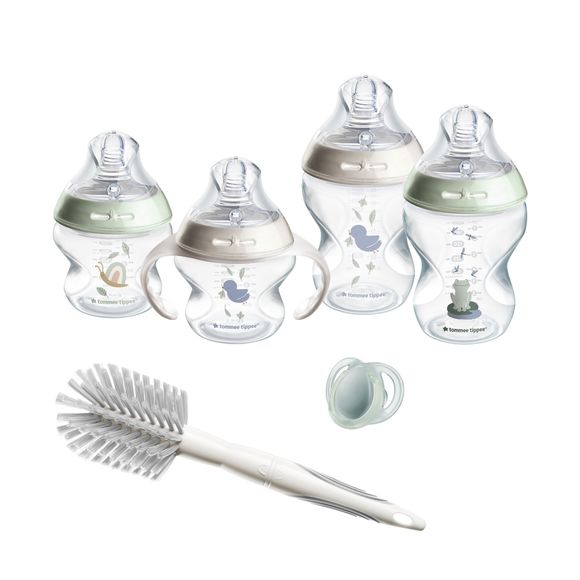
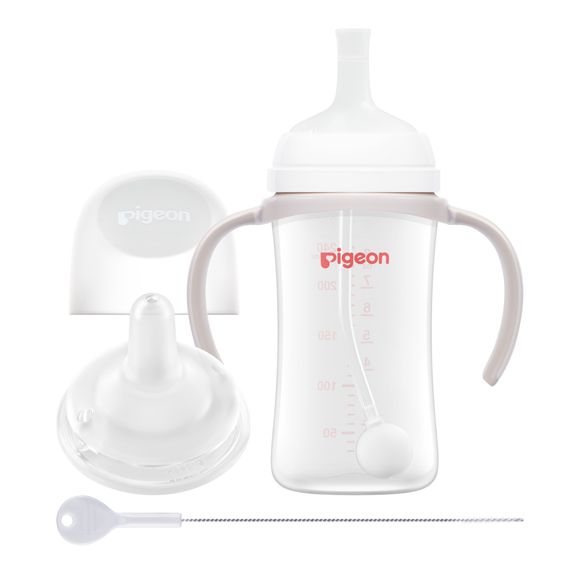
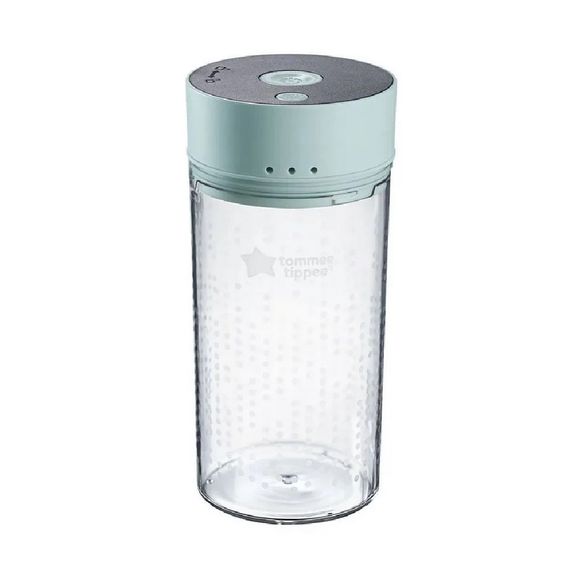
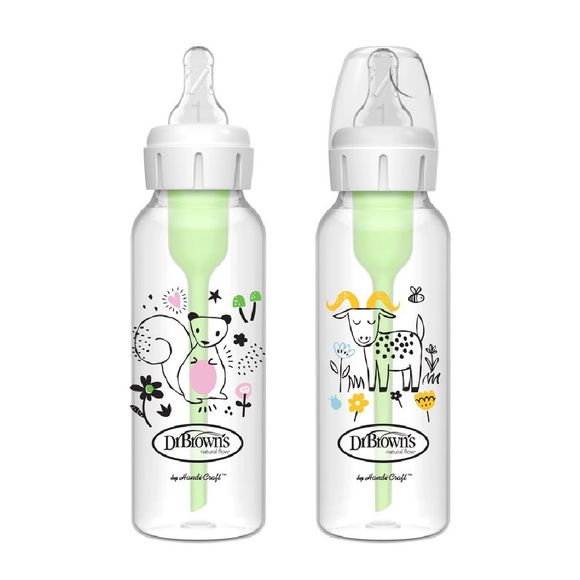


Whether you're formula feeding, using expressed breast milk, or combining both, having the right equipment makes every feed smoother
The essentials: bottles, teats, a steriliser and bottle brush
Choosing the right teat flow for your baby's age makes a significant difference to comfort and wind
Sterilising bottles is generally recommended until your baby is 12 months.
Every family's feeding journey looks different. Whether you're formula feeding, expressing breast milk, or mixing breast and bottle feeding, having the right equipment makes every feed simpler. Here's what to look for:
BPA-free and baby-safe materials — glass and BPA-free plastic are both safe, reliable options
Designed for easy latching — wide-neck bottles and breast-shaped teats support a natural latch, particularly useful if you're combining breast and bottle
Anti-colic and airflow systems — vented bottles reduce the air your baby swallows, which can make a real difference to wind and discomfort.
Start with the basics and build from there as you learn what works for you both.
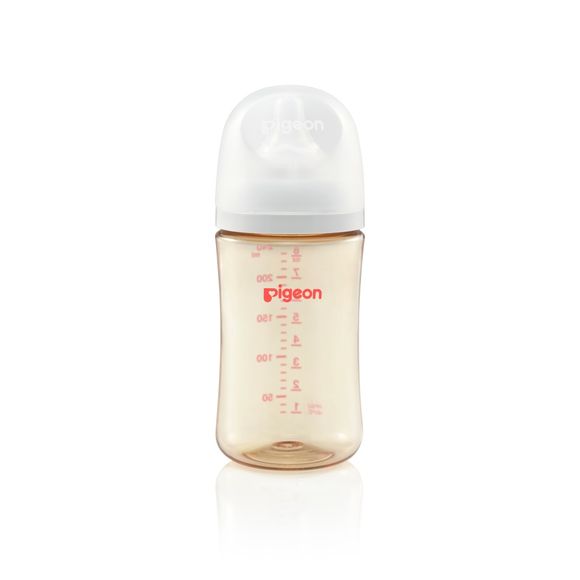
Baby bottles — start with four to six. Smaller 120ml bottles suit newborns; larger 250ml bottles work better as feeds increase. See our tips for bottle-feeding.
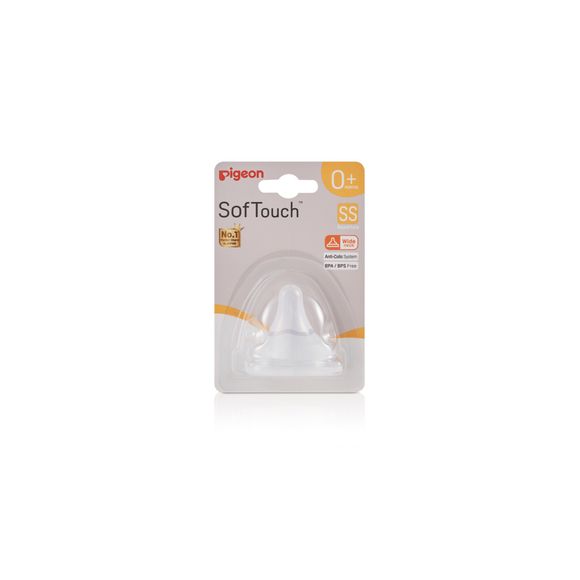
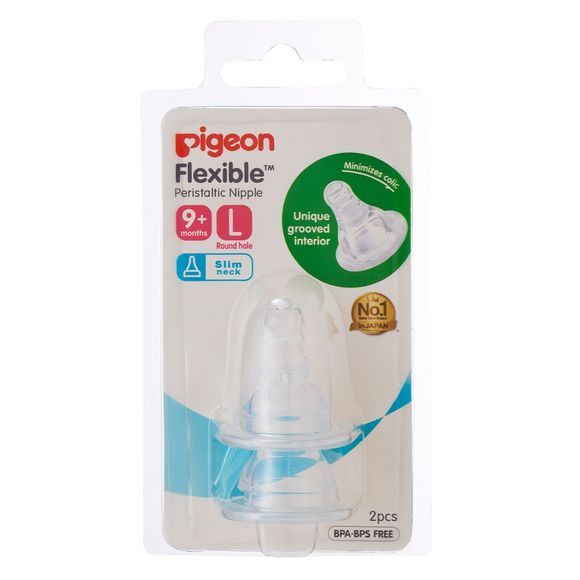
Bottle teats — teats come in different flow rates. Slow flow suits newborns; faster flows suit older babies.
Bottle steriliser — recommended until 12 months. Electric steam sterilisers are the quickest; microwave sterilisers are compact and travel-friendly.
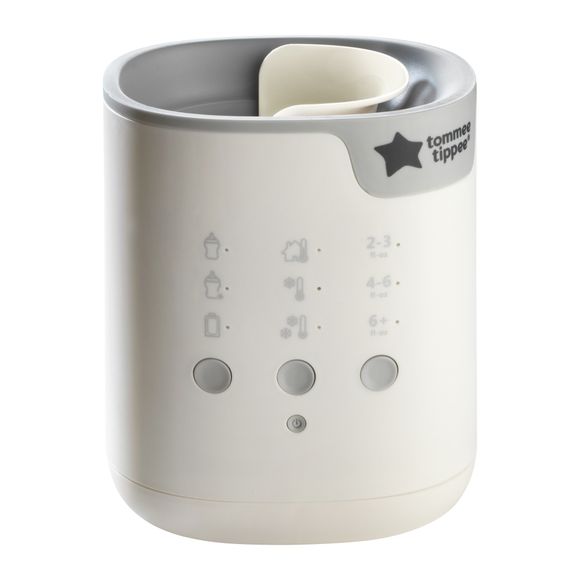
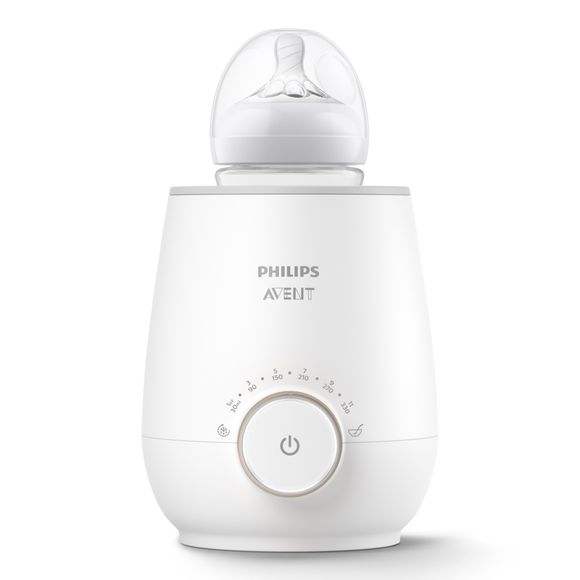
Bottle warmers — not essential, but genuinely useful at 3am.
Bottle brush and cleaning accessories — a good brush reaches the base and curved sections. Pair with baby-safe washing liquid.
Baby formula — your Maternal Child Health nurse or GP can help you choose the right formula for your baby's age and needs.
Formula dispenser — pre-measures formula for night feeds and outings.
Drying rack — keeps bottles and teats clean and aired after washing.
The best bottle is the one your baby will take. If combining breast and bottle, look for wide-neck bottles with breast-shaped teats. Start with a few different styles before buying in bulk as babies can be particular.
Start with slow flow for newborns. Move up when your baby seems frustrated or is taking much longer than usual to finish. Signs the flow is too fast: gulping, coughing, or milk dribbling from the corners of their mouth.For more tips you can browse bottle teats on our website.
Wash bottles thoroughly after every feed, then sterilise until your baby is 12 months. For a full step-by-step guide see how to sterilise and clean baby bottles.
At home, a bottle warmer and steriliser make the routine straightforward. On the go, a formula dispenser and vacuum flask cover most situations. Pre-made liquid formula is a useful backup for travel.
Bottle feeding looks different for every family. We recommend you start with the basics, follow your baby's lead and don't be afraid to try a different bottle or teat if something isn't working. The right setup is the one that works for both of you.
A good quality bottle and the right teat flow. Everything else makes the process easier, but these are where it starts.
It can. Anti-colic bottles, pacing feeds and burping regularly during and after feeds all help.
Formula takes slightly longer to digest than breast milk, which may mean longer stretches between feeds, but every baby is different.
Slow-flow teats and smaller 120ml bottles. If combining breast and bottle, look for wide-neck designs with breast-shaped teats.
Four to six is a practical starting point or enough to rotate through feeds without washing up after every one.
After every feed, until 12 months. After that, thorough washing is sufficient.
Start with slow flow for newborns and move up when your baby seems frustrated during feeds.
Yes and many families do. Read our guide to mixed feeding your newborn for more.
Rinse immediately, wash with hot soapy water and a bottle brush, then sterilise. Full guidance at how to sterilise and clean baby bottles.