

Only at Baby Bunting

Bilbi Organic Sleeping Bag 1.0 Tog Ivory Safari Size 24-36 Months
$31.49
$44.99
SAVE $13.50


.png?width=200&height=200&format=webp&quality=100)
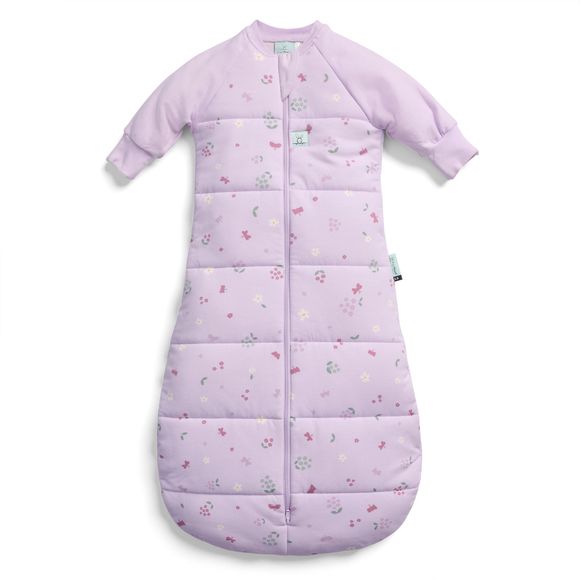
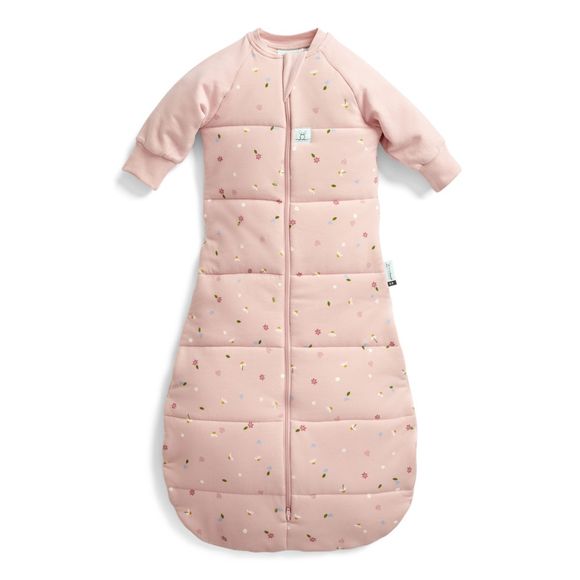
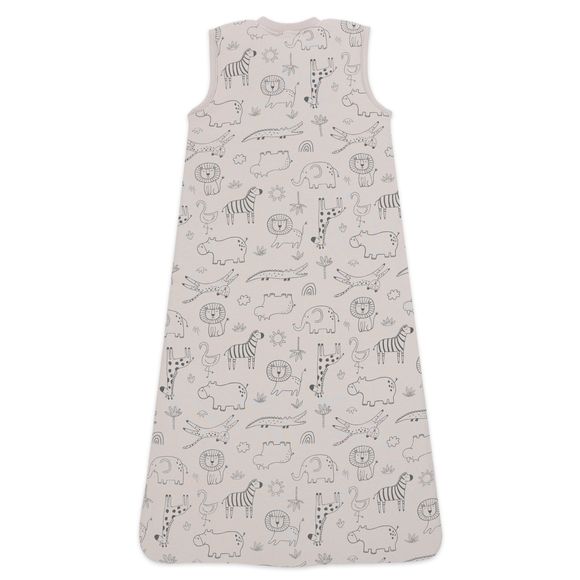

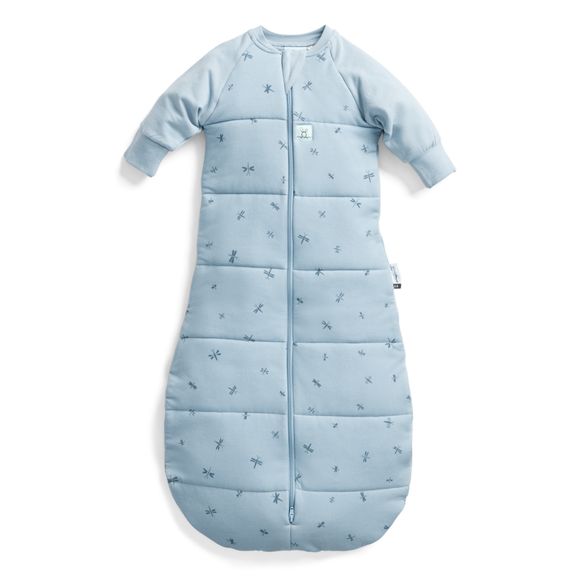
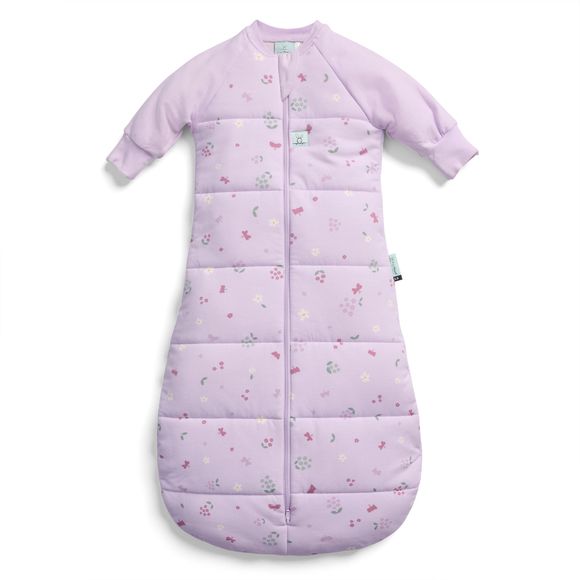
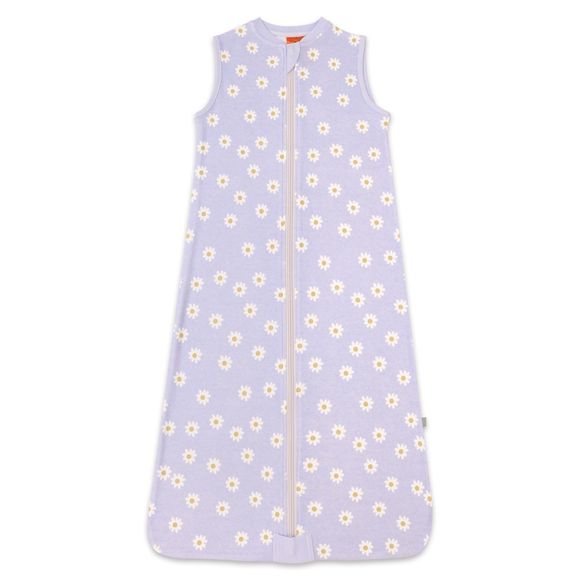
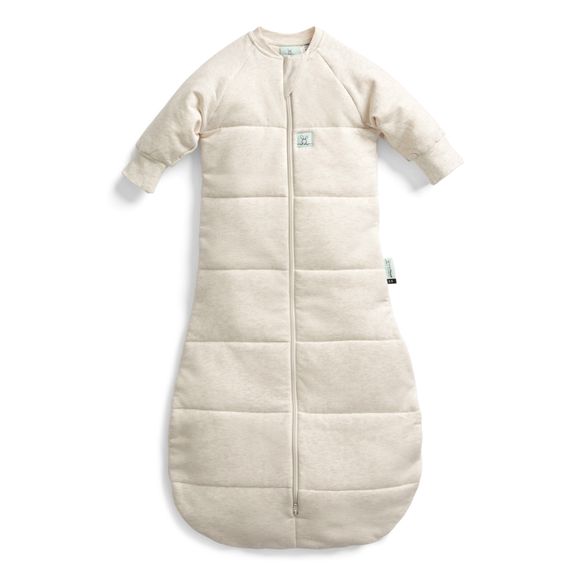
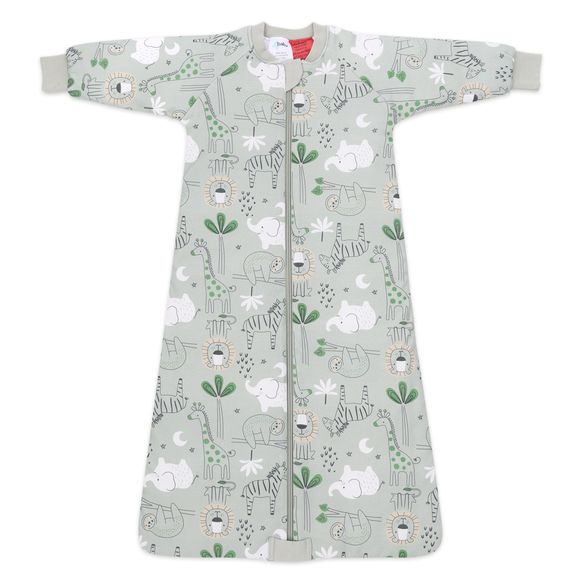
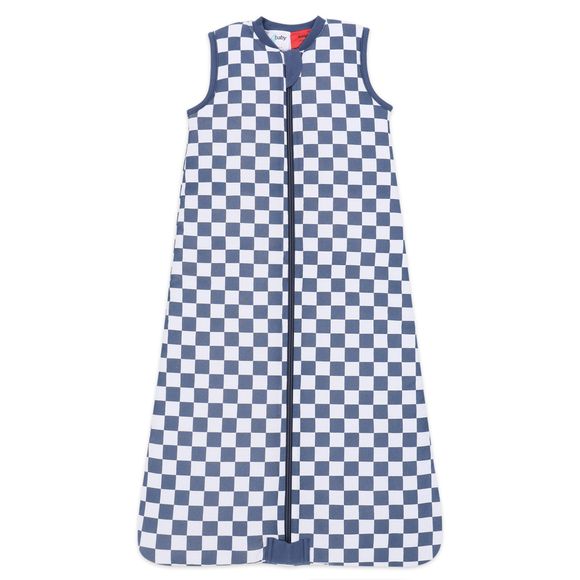
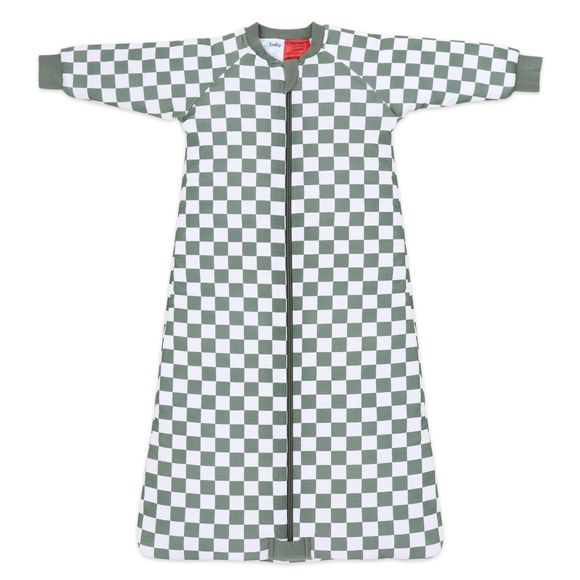

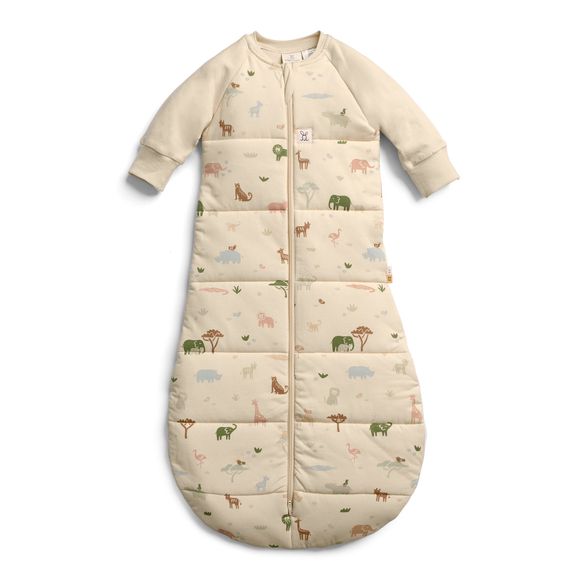


Baby sleeping bags provide a safer alternative to loose blankets, which can pose suffocation risks
TOG ratings (0.2 to 3.5) indicate the warmth level of the sleeping bag
Properly fitted sleeping bags should allow hip movement while preventing your bub’s head from slipping inside
Transition from swaddling to arms free bags when baby shows signs of rolling
Most sleeping bags are suitable from birth or 3 months through to 2-4 years, depending on size.
Baby sleeping bags support safe sleep practices by eliminating loose bedding in the cot:
Safe sleep alternative to loose blankets: Reduces suffocation and overheating risks associated with loose bedding
TOG-rated for temperature control: TOG ratings help parents choose suitable warmth levels for different room temperatures.
Soft, breathable fabrics: Natural fibres like cotton promote airflow and prevent sweat buildup
Easy zip/fastening for night changes: Two-way zips allow nappy changes without fully undressing baby
Available in multiple sizes: Newborn through toddler sizes ensure proper fit as your baby grows.
Different sleeping bag styles suit different ages and sleep stages:
Designed for babies from birth or 3 months, these bags feature smaller sizing and often include swaddle-to-sleep-bag conversion options.
Larger sizes (18 months to 4 years) accommodate growing children while maintaining the safety benefits of no additional bedding in the cot. Many parents continue using sleep bags well into toddlerhood to establish consistent sleep routines.
Feature wings or poppers that convert from swaddling to arms-free sleep. Essential when your bub starts showing signs of rolling.
Lightweight, packable options maintain familiar sleep routines away from home. Particularly useful for maintaining safe sleep practices in unfamiliar environments. Read our tips for overnight stays for more guidance.
Higher TOG ratings (2.5-3.5) provide warmth in cooler rooms (14-20°C). Pair with appropriate layering underneath (Follow the guidance provided on the product packaging or web page).
Lower TOG ratings (0.2-1.0) prevent overheating in warm weather (20-27°C). Choose sleeveless designs for maximum breathability. We highly suggest that you follow the guidance provided on the product packaging or web page
For more guidance, see our article on sleep essentials.
TOG (Thermal Overall Grade) measures fabric warmth. Higher TOGS indicate more insulation:
TOG Rating | Room Temperature | What Baby Wears Underneath | Season |
0.2–0.5 TOG | 24-27°C | Just a nappy | Hot summer |
1.0 TOG | 20-24°C | Nappy + singlet or light bodysuit | Mild/spring |
2.5 TOG | 17-23°C | Nappy + singlet or bodysuit | Mid year-winter |
3.5 TOG | 14-20°C | Nappy + singlet/bodysuit, possibly long sleeves | Cold winter |
Quick Tips for TOG Selection:
Check your room temperature with a reliable thermometer before dressing your little one for sleep
Feel their chest or back of neck to assess temperature (they should feel warm but not hot or sweaty)
Hands and feet may feel cool (this is normal and doesn't indicate baby is cold)
When in doubt, choose a lower TOG and add a layer underneath rather than risking overheating
Never use additional baby blankets over a sleeping bag.
Baby sleeping bags eliminate loose bedding risks while maintaining consistent temperature throughout the night. Properly fitted bags allow healthy hip movement, stay in place without re-tucking, and feature two-way zips for easier nappy changes. For comprehensive nursery setup guidance, explore our nursery essentials range.
Sleep is one of the great parenting unknowns, but it doesn't have to be. A well-chosen sleeping bag is one less thing to worry about at 3am, and that's always a win.
Yes, when used correctly. Sleeping bags eliminate loose blankets in the cot, supporting safe sleep guidelines.
Most sleeping bags are suitable from birth or 3 months onwards, continuing through toddlerhood (2-4 years). Stop swaddling and transition to arms-free sleeping bags when your bub shows signs of rolling (typically around 4-6 months depending on your bub).
Yes, if the TOG rating is too high for room temperature. Choose the correct TOG based on room temperature and dress your little one in minimal layers. Check regularly that their chest feels warm but not hot or sweaty.
They serve different purposes. Swaddles suit newborns who haven't yet developed the rolling skill. Once your bub shows signs of rolling, transition to sleeping bags for safety. Many sleeping bags include transition features.
Yes, babies can roll in properly fitted sleeping bags. The design allows natural movement while keeping them and their arms free.
Most are machine washable. For 2.5 and 3.5 TOG bags, wash with a full load to prevent bunching during the spin cycle. Tumble dry low or line dry according to the manufacturers instructions. We do always recommend you check manufacturer instructions as some bags require special washing.
TOG (Thermal Overall Grade) is the scientific term that measures fabric warmth. It matters because choosing the wrong TOG can lead to overheating (too high) or inadequate warmth (too low). Both affect sleep quality and safety. Always match TOG to room temperature, not season.