Tommee Tippee Easistick Silicone Suction Bowl And Spoon Assorted
$12.74
$14.99
SAVE $2.25
5 out of 5 4.8 (6)
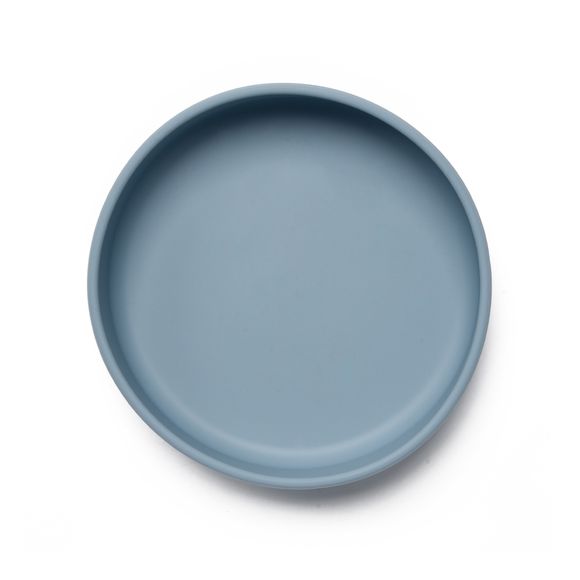
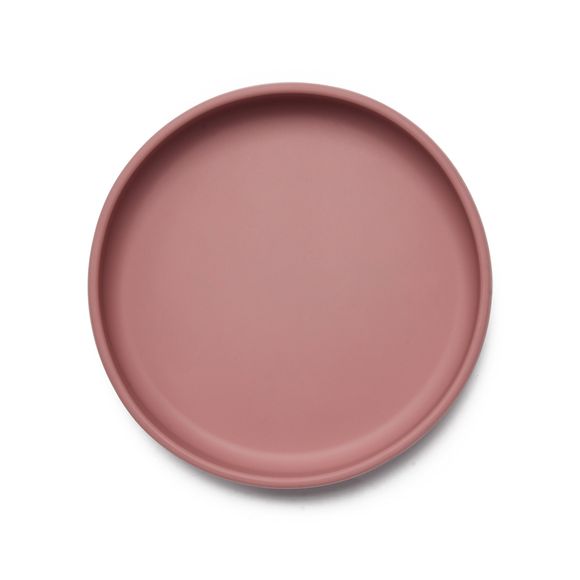


Suction plates and bowls stick to highchair trays
Divided plates keep foods separated for toddlers who decree "nothing shall touch!”
Silicone, bamboo, and BPA-free plastic options suit different priorities (durability, eco-friendliness, budget)
Most are microwave and dishwasher safe—because life's too short for hand-washing tiny bowls
The perfect plate won't stop the chaos entirely, but the right features help. Here's what actually matters:
Material: Silicone (soft, flexible, unbreakable), BPA-free plastic (lightweight, budget-friendly), bamboo (eco-conscious, sturdy)
Suction strength: Strong suction bases prevent plate-throwing Olympics
Size and portion capacity: Toddler portions are smaller than you think as oversized plates make meals look sad and lonely
Ease of cleaning: Smooth surfaces without crevices dry faster and harbour less gunk
Microwave and dishwasher compatibility: Check before buying as not all materials handle heat
Age suitability: Bowls with curved edges help toddlers scoop and flat plates work better for older kids mastering forks
Different plates solve different dinnertime dramas:
Suction Plates & Bowls: The peace-keepers of mealtime. These have suction bases that stick to surfaces and resist curious hands testing gravity. Perfect for the ‘throw everything’ phase.
Divided Plates: Three compartments keep pasta, veg and protein in their designated zones. Essential for toddlers with strong opinions about touching foods.
Silicone Plates & Bowls: Soft, flexible, and virtually indestructible. They bounce when dropped (and they will be dropped). Microwave and dishwasher safe.
Training Bowls for Toddlers: Deep curved sides help little hands scoop food onto spoons without launching it across the room. Builds confidence in self-feeding.
Check our full range of feeding sets for coordinated plates, bowls and cutlery. We love a bit of matchy matchy!
Feature | Plates | Bowls |
Best for | Finger foods, self-feeding practice, older toddlers | Purees, cereals, soups, early eaters |
Portion control | Visual sections help with balanced meals | Harder to gauge portions |
Scooping ease | Requires more utensil skill | Curved sides assist beginners |
Mess factor | Food can slide off edges | Contains liquids better |
Age range | 12+ months | 6+ months |
Versatility | Works for most meals | Limited to wet/soft foods |
Realistically? You'll end up with both. Start with bowls for first foods and then add plates as your toddler masters self-feeding.
For more advice on managing toddlers and dinner time, we've got you covered.
The right plates and bowls won't stop the mess entirely (that's what bibs and floor mats are for), but they'll give your toddler the tools to master self-feeding. Chef's kiss to that.
Suction plates with divided sections win for most families. The suction prevents plate-flinging, while dividers satisfy toddlers' firm beliefs about food separation. Silicone is brilliant for beginners as they’re soft, unbreakable and dishwasher safe.
Match it to your current challenge. Plate-throwing? Get strong suction. Food-touching wars? Choose divided plates. Need easy cleanup? Pick dishwasher-safe options. Starting solids? Deep bowls with curved sides help toddlers learn to scoop.
All our food-grade silicone is BPA-free, phthalate-free, and withstands heat without leaching chemicals. It's soft, quiet when dropped and safe for microwaves and dishwashers. Stainless steel is also non‑toxic and highly stable for food use, but unlike silicone, it can get hot to touch, and isn’t microwave safe.
Absolutely! They stick to highchair trays and significantly reduce airborne meal incidents. Determined toddlers may eventually defeat the suction, but the release tab makes cleanup easier than prising off a stuck plate.
Many families start using bowls when introducing solids from around 6 months, depending on their feeding approach Plates become useful around 12-18 months when babies eat more finger foods and practise with utensils. Don't rush it. Choose feeding products that suit your child’s stage and confidence with self-feeding.
Most are, but always check the label. Silicone handles heat beautifully and are both microwave and dishwasher safe. Some bamboo plates are dishwasher safe (top rack only), others need hand-washing.
Rinse immediately after meals. Most are dishwasher safe (top rack for bamboo). For tough stains, soak in warm soapy water. Check for cracks regularly, especially around suction bases. For food safety guidance, read our article on preventing food poisoning at home.