There's a particular kind of joy in watching your baby navigate through the culinary world of food. It’s all about one gummy grin, one dropped spoon, one small milestone at a time. From that first hungry cry in hospital to the day they insist on holding their own spoon, we've got what you need for every bite in between.
Think of this as your infant feeding guide for every stage. It’s all the tips and tricks we’ve discovered so you can learn how to feed infants confidently.
Feeding Solutions by Baby Stage
Feeding looks completely different at six weeks, six months and eighteen months, so we’ve broken down what helps at each one.
Newborn Feeding
Working out
how to feed a newborn in those first few weeks comes down to instinct as much as routine. The Australian Breastfeeding Association notes it's common for newborns to feed eight to twelve times a day, roughly every two to three hours, whether by breast, bottle or a mix of both, and there's no single
newborn feeding time that suits every baby. Their general
newborn feeding guidelines recommend following hunger cues over the clock, while keeping an eye on your baby's
newborn nutritional needs as their tummy grows. A steadier feeding routine tends to settle in over the following months.
If you want a straightforward
newborn feeding guide to lean on, or you're navigating
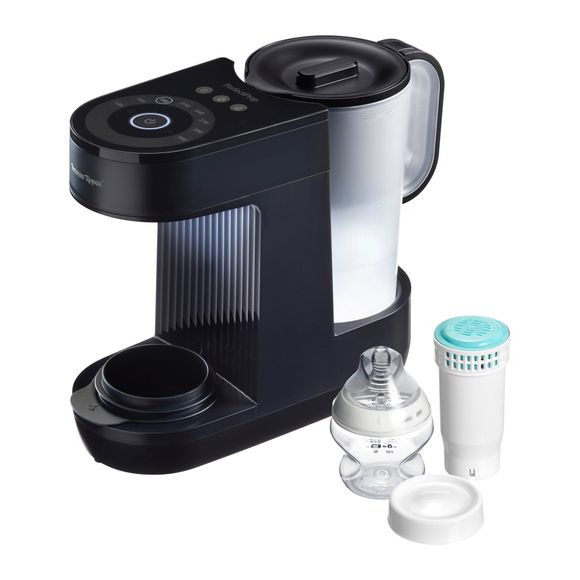
formula for the first time, our guide to
establishing a feeding routine walks you through what to expect
4–6 Months Starting Solids
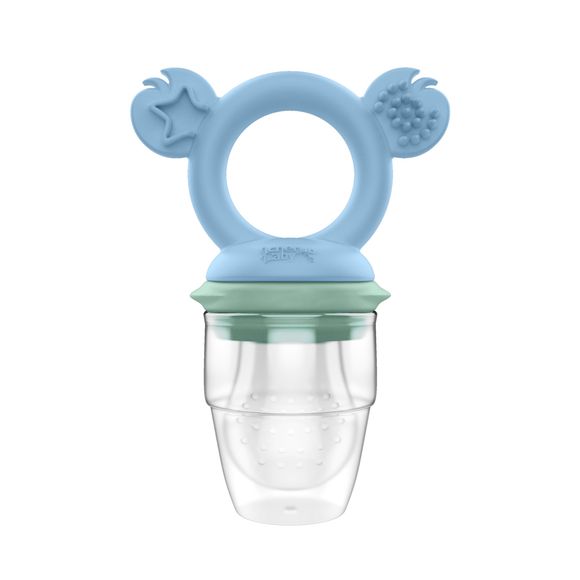
Most bubs are ready to start exploring solid food somewhere between four and six months (once they can sit with support and show real interest in food). It's less about finishing a plate and more about play, texture and getting comfortable with a spoon. Our guide to
introducing solids to your baby covers the signs of readiness and where to start.
Toddler Self-Feeding
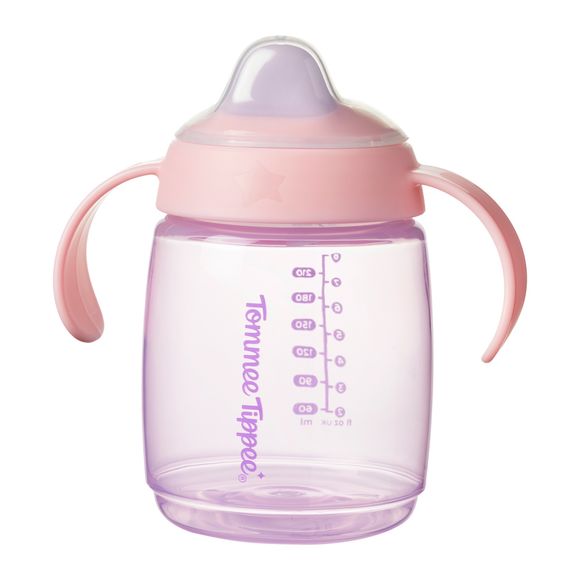
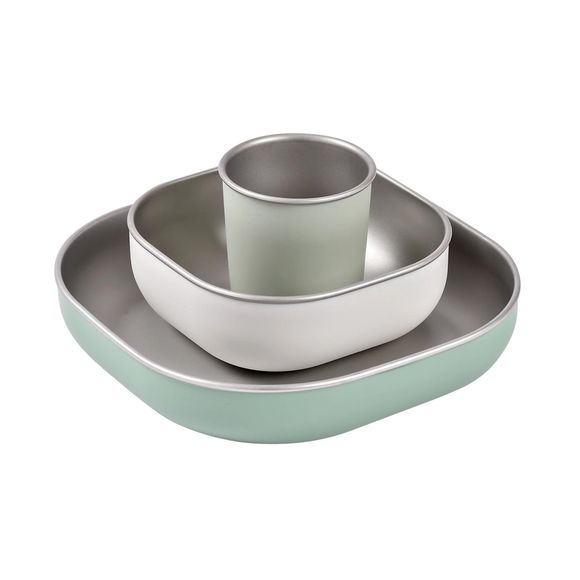
By the time your bub's a toddler, feeding becomes a lot more hands-on (literally). Independent eating, holding their own spoon and drinking from an open cup are all part of building confidence around food. Our range of
toddler feeding products is designed to support that independence, and catch most of the mess along the way
How to Choose Baby Feeding Products
With so many options out there for
infant feeding, here's what's actually worth thinking about before you buy.
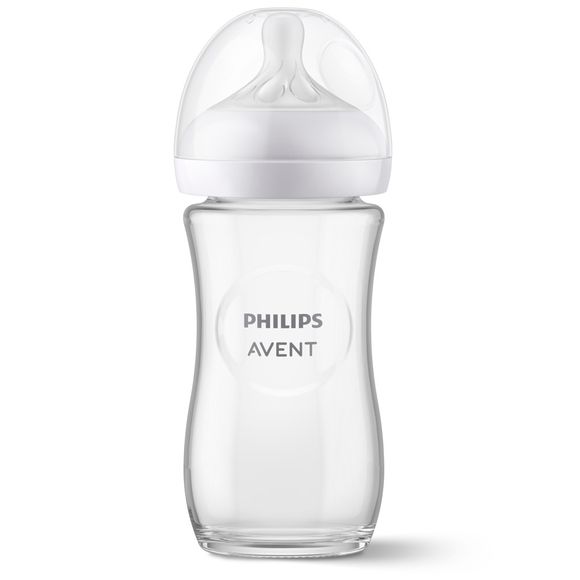
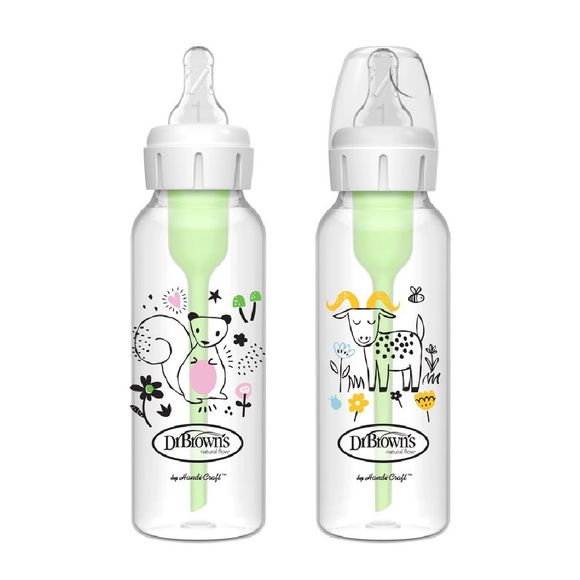
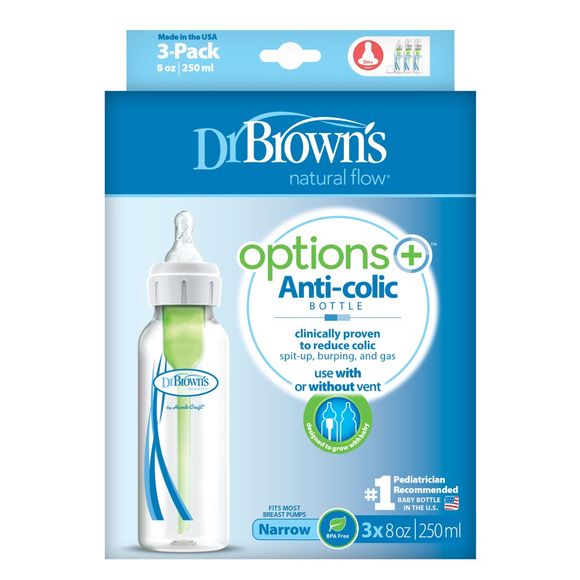
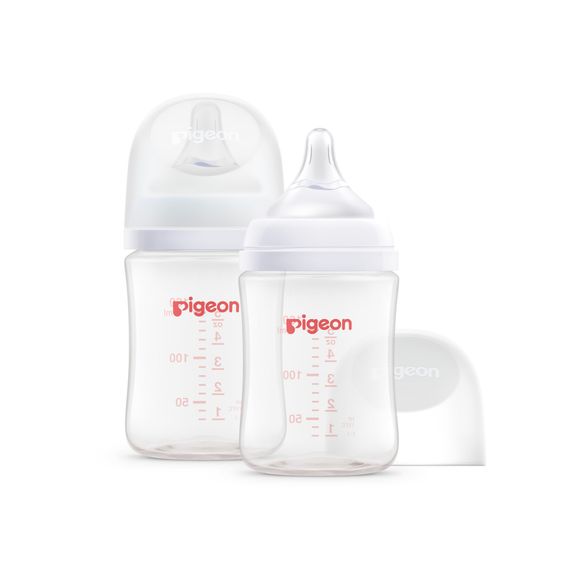
Choosing the Right Baby Bottle
The right bottle can make feeding smoother for both of you. Look for:
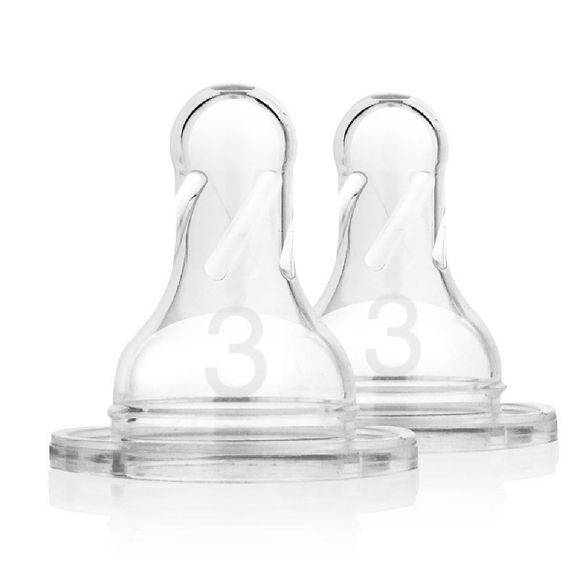
- A teat flow rate matched to your baby's age and feeding style
- Anti-colic venting to help reduce gas and fussiness after a feed
- Glass or BPA-free plastic, depending on your preference
- Wide, easy-clean necks that make washing and sterilising simple
What to Look for in a High Chair
A good high chair earns its keep for years, not months. Our range of
Baby Highchairs includes options with:
- Adjustable height and recline for newborn to toddler use
- A secure five-point harness
- An easy-wipe tray that lifts off for quick cleaning
- A compact or foldable design if kitchen space is tight
Breastfeeding vs Bottle Feeding Essentials
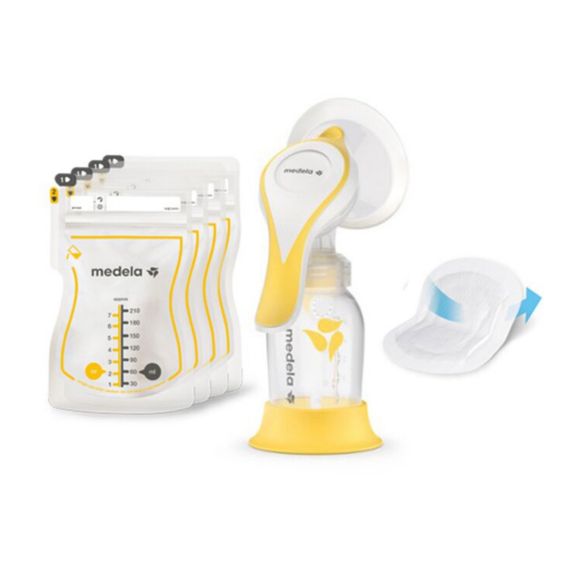
However you choose to feed, having the right gear on hand makes a real difference. For breastfeeding, that might mean a comfortable nursing pillow, breast pads, and a well-fitted set of
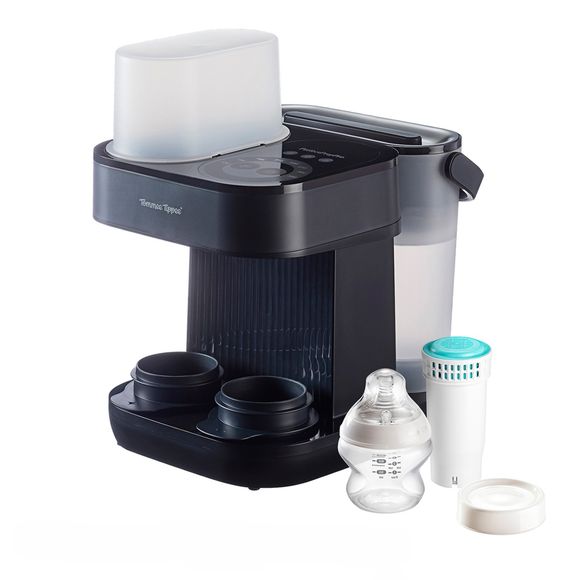
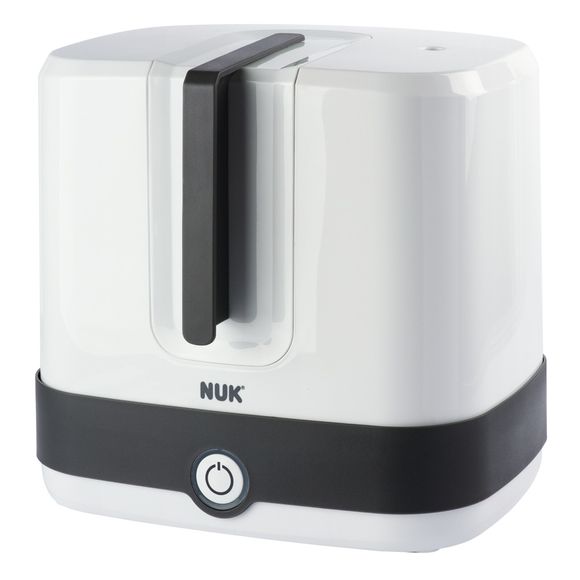
breast pumps for when you need a bit of flexibility. For bottle feeding, a reliable steriliser and a few bottles in different flow rates go a long way.
And wherever you're feeding, it's worth knowing your
breastfeeding rights so you can feed your baby confidently.
Feeding Products for Travel
Mealtimes don't stop when you leave the house. A portable high chair, insulated bottle bag, spill-proof snack cups and a stash of bibs will cover you for everything from a café outing to a full day trip.
Feeding & Mealtime Tips for You
A few small habits make feeding easier, cleaner and a little less chaotic, no matter what stage you're at.
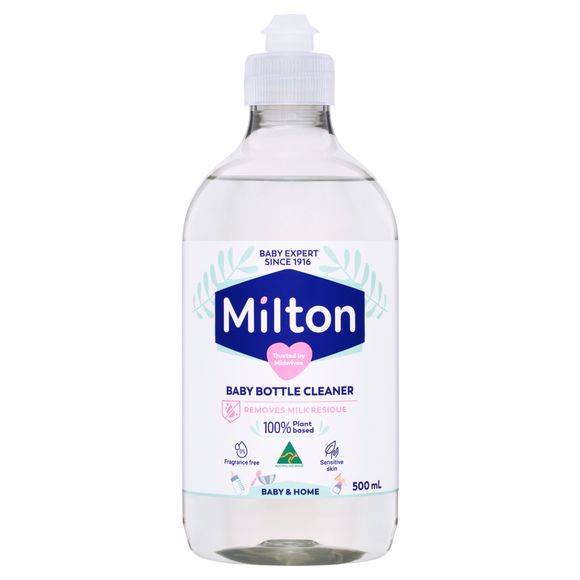
- Clean feeding matters. Sterilise bottles and feeding gear regularly in the early months, and keep high chair trays and utensils washed between uses.
- Watch for hunger cues, not the clock. Rooting, hand-to-mouth movements and fussiness are often better guides than a strict schedule, especially in the newborn stage.
- Let mess happen. Self-feeding is messy by nature — a splash mat under the high chair saves your floors and your patience.
- Keep a feeding log if it helps. A simple newborn feeding table noting times and amounts can be a handy reference for appointments with your maternal health nurse or GP.
What Should I Look For in Toddler Feeding Products?
Toddler feeding is all about building independence safely. Look for:
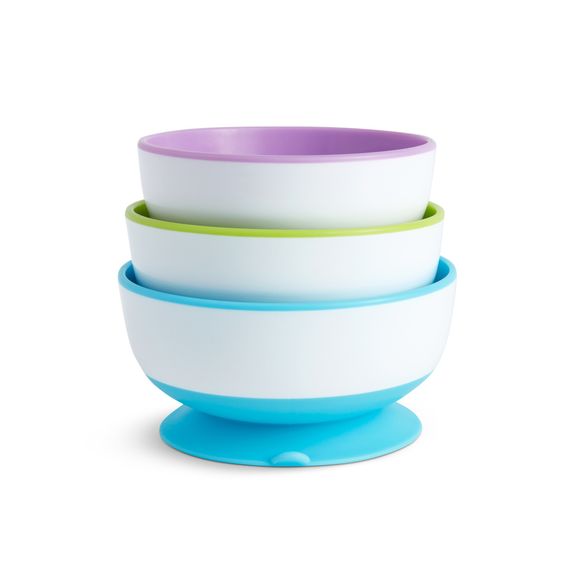
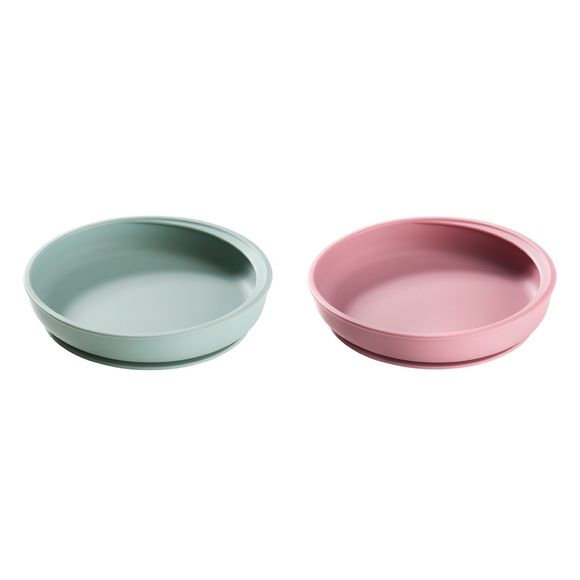
- Weighted, suction-base bowls that resist tipping
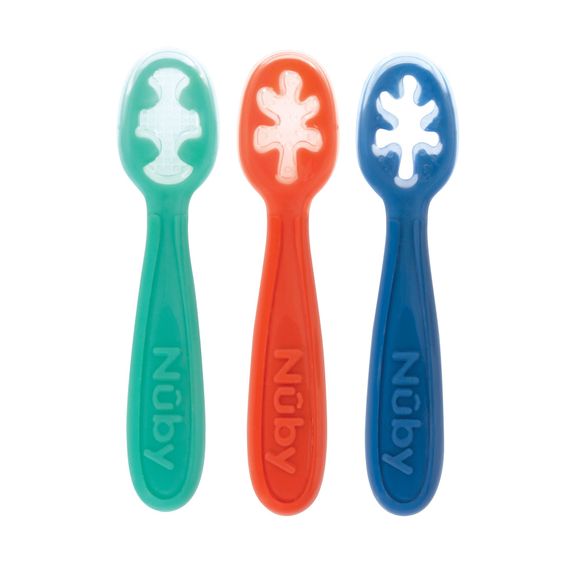
- Soft-tip or short-handled cutlery sized for small hands
- Spill-proof, open-style cups that ease the transition away from bottles
- Dishwasher-safe, BPA-free materials for easy everyday cleaning
Final Word
There is no such thing as a perfect feed. There is just you, your baby, and whatever works today. We are here for all of it.